Buy cafetariadebemvoort.be ?
We are moving the project
cafetariadebemvoort.be .
Are you interested in purchasing the domain
cafetariadebemvoort.be ?
domain@kv-gmbh.de · 0541-91531010
Buy cafetariadebemvoort.be ?
How many days after infection does a coronavirus test show positive?
A coronavirus test typically shows positive results around 2-14 days after infection, depending on the type of test used and the viral load in the individual. PCR tests are more sensitive and can detect the virus earlier, sometimes within a few days of infection. Rapid antigen tests may take a bit longer to show positive results, usually around 5-7 days after infection. It is important to consider the timing of testing in relation to exposure and symptoms for accurate results. **
Will the self-test be positive in case of a virus infection?
The self-test may be positive in case of a virus infection, depending on the type of virus and the specific test being used. Some self-tests are designed to detect specific viruses, such as COVID-19, while others may be more general and detect a range of viral infections. It's important to follow the instructions for the specific self-test and consult with a healthcare professional if you have any concerns about the results. **

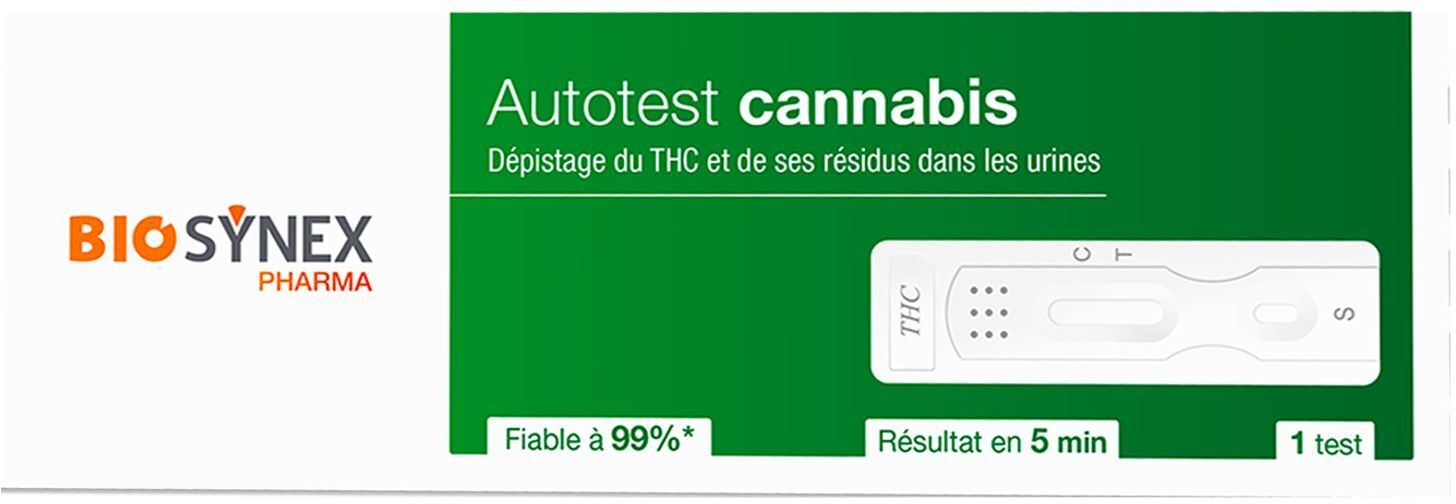
Similar search terms for Biosynex-Test-Infection-Urinaire
Top-Angebote
Products related to Biosynex-Test-Infection-Urinaire:


-
How many days after infection does a coronavirus test come back positive?
The time it takes for a coronavirus test to come back positive can vary depending on the type of test being used. Generally, for PCR tests, which are the most common type of test for COVID-19, it can take 1-3 days after infection for the test to come back positive. However, it's important to note that individuals may be contagious and able to spread the virus before they receive a positive test result, so it's important to follow public health guidelines and isolate if you have been exposed to the virus, regardless of your test result. **
-
Can you get a bladder infection from these drinks?
Bladder infections, also known as urinary tract infections (UTIs), are typically caused by bacteria entering the urinary tract. While sugary drinks like soda and energy drinks can potentially contribute to an environment that is more conducive to bacterial growth, they do not directly cause bladder infections. However, consuming these drinks in excess can lead to dehydration, which may increase the risk of developing a UTI. It is important to maintain good hydration and practice proper hygiene to help prevent bladder infections. **
-
Fungal infection or pimple?
It can be difficult to differentiate between a fungal infection and a pimple without proper examination. Fungal infections often appear as red, itchy, and scaly patches on the skin, while pimples are typically raised, red bumps with a white or yellow center. If you are unsure, it is best to consult a healthcare professional for an accurate diagnosis and appropriate treatment. **
-
What is infection protection?
Infection protection refers to the measures and practices taken to prevent the spread of infectious diseases. This can include practices such as hand hygiene, wearing personal protective equipment, maintaining a clean environment, and following proper protocols for handling and disposing of infectious materials. Infection protection is important in healthcare settings, as well as in everyday life to prevent the spread of illnesses and protect individuals from getting sick. **


Where does an HIV infection differ from an infection with measles viruses?
An HIV infection differs from an infection with measles viruses in several ways. Firstly, HIV is a retrovirus that attacks the immune system, specifically targeting CD4 cells, while measles is caused by a paramyxovirus that primarily affects the respiratory system. Secondly, HIV is a chronic infection that can lead to AIDS if left untreated, whereas measles is an acute viral infection that typically resolves on its own with supportive care. Lastly, there are effective vaccines available to prevent measles, while there is currently no cure for HIV, although antiretroviral therapy can help manage the infection. **
What is the difference between external ear canal infection and middle ear infection?
External ear canal infection, also known as otitis externa or swimmer's ear, occurs when the outer ear canal becomes inflamed or infected. This can be caused by water getting trapped in the ear, leading to bacterial or fungal growth. Symptoms include pain, itching, and discharge from the ear. On the other hand, middle ear infection, also known as otitis media, occurs when the middle ear becomes infected and inflamed. This can be caused by a viral or bacterial infection, often following a cold or upper respiratory infection. Symptoms include ear pain, fever, and hearing loss. Middle ear infections are more common in children than in adults. **
Top-Angebote
Products related to Biosynex-Test-Infection-Urinaire:
-
How many days after infection does a coronavirus test show positive?
A coronavirus test typically shows positive results around 2-14 days after infection, depending on the type of test used and the viral load in the individual. PCR tests are more sensitive and can detect the virus earlier, sometimes within a few days of infection. Rapid antigen tests may take a bit longer to show positive results, usually around 5-7 days after infection. It is important to consider the timing of testing in relation to exposure and symptoms for accurate results. **
-
Will the self-test be positive in case of a virus infection?
The self-test may be positive in case of a virus infection, depending on the type of virus and the specific test being used. Some self-tests are designed to detect specific viruses, such as COVID-19, while others may be more general and detect a range of viral infections. It's important to follow the instructions for the specific self-test and consult with a healthcare professional if you have any concerns about the results. **
-
How many days after infection does a coronavirus test come back positive?
The time it takes for a coronavirus test to come back positive can vary depending on the type of test being used. Generally, for PCR tests, which are the most common type of test for COVID-19, it can take 1-3 days after infection for the test to come back positive. However, it's important to note that individuals may be contagious and able to spread the virus before they receive a positive test result, so it's important to follow public health guidelines and isolate if you have been exposed to the virus, regardless of your test result. **
-
Can you get a bladder infection from these drinks?
Bladder infections, also known as urinary tract infections (UTIs), are typically caused by bacteria entering the urinary tract. While sugary drinks like soda and energy drinks can potentially contribute to an environment that is more conducive to bacterial growth, they do not directly cause bladder infections. However, consuming these drinks in excess can lead to dehydration, which may increase the risk of developing a UTI. It is important to maintain good hydration and practice proper hygiene to help prevent bladder infections. **
Similar search terms for Biosynex-Test-Infection-Urinaire
-
Fungal infection or pimple?
It can be difficult to differentiate between a fungal infection and a pimple without proper examination. Fungal infections often appear as red, itchy, and scaly patches on the skin, while pimples are typically raised, red bumps with a white or yellow center. If you are unsure, it is best to consult a healthcare professional for an accurate diagnosis and appropriate treatment. **
-
What is infection protection?
Infection protection refers to the measures and practices taken to prevent the spread of infectious diseases. This can include practices such as hand hygiene, wearing personal protective equipment, maintaining a clean environment, and following proper protocols for handling and disposing of infectious materials. Infection protection is important in healthcare settings, as well as in everyday life to prevent the spread of illnesses and protect individuals from getting sick. **
-
Where does an HIV infection differ from an infection with measles viruses?
An HIV infection differs from an infection with measles viruses in several ways. Firstly, HIV is a retrovirus that attacks the immune system, specifically targeting CD4 cells, while measles is caused by a paramyxovirus that primarily affects the respiratory system. Secondly, HIV is a chronic infection that can lead to AIDS if left untreated, whereas measles is an acute viral infection that typically resolves on its own with supportive care. Lastly, there are effective vaccines available to prevent measles, while there is currently no cure for HIV, although antiretroviral therapy can help manage the infection. **
-
What is the difference between external ear canal infection and middle ear infection?
External ear canal infection, also known as otitis externa or swimmer's ear, occurs when the outer ear canal becomes inflamed or infected. This can be caused by water getting trapped in the ear, leading to bacterial or fungal growth. Symptoms include pain, itching, and discharge from the ear. On the other hand, middle ear infection, also known as otitis media, occurs when the middle ear becomes infected and inflamed. This can be caused by a viral or bacterial infection, often following a cold or upper respiratory infection. Symptoms include ear pain, fever, and hearing loss. Middle ear infections are more common in children than in adults. **
* All prices are inclusive of VAT and, if applicable, plus shipping costs. The offer information is based on the details provided by the respective shop and is updated through automated processes. Real-time updates do not occur, so deviations can occur in individual cases. ** Note: Parts of this content were created by AI.